
What is Photodynamic Therapy (PDT)?
Photodynamic therapy (PDT) is an effective, non-invasive procedure for treating superficial skin cancers, precancerous lesions and sun-damaged skin. The two hallmarks of PDT are the use of a special cream containing aminolevulinic acid (ALA) as an active ingredient and therapeutic LEDs. By Combining these two features; regular skin cells are unaffected while abnormal skin cells are destroyed.
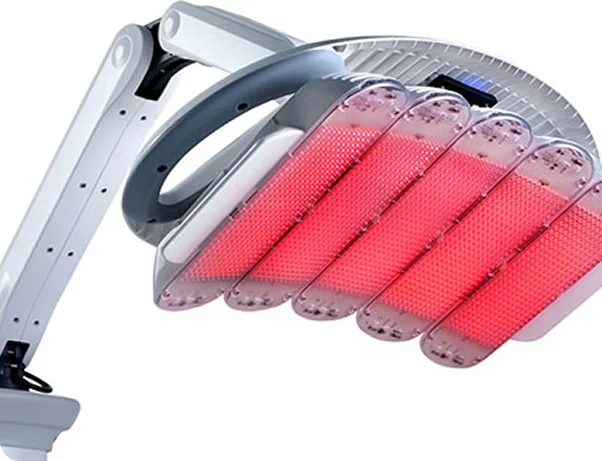
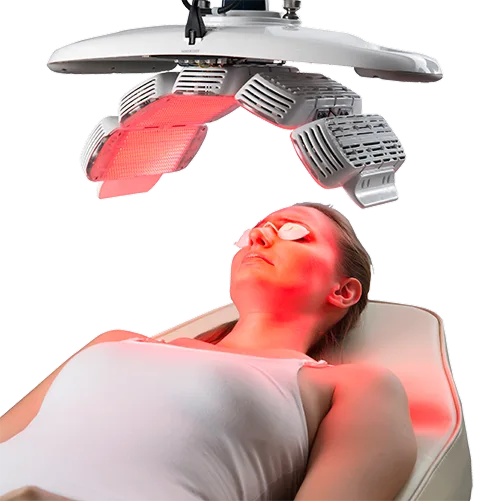
How Does PDT Work?
When the cream is applied on the targeted area, sun damaged skin cells will absorb the ALA over time and will be ready to undergo the next phase. This is followed by exposing the area to medically specific LEDs that emits light at certain wavelengths. When ALA is exposed to these specialized lights, the wavelengths creates a reaction that initiates the death of sun damaged cells while regular cells remain unaffected.
FAQs
What Can PDT Be Used For?
PDT can be used to treat:
- Sun damaged skin
- Superficial skin cancers
- Actinic keratoses
- Superficial BCC
- Bowens disease
- Aged skin
- Skin discolouration
- Rosacea (redness)
- Large pores
- Acne
Why Choose PDT?
PDT offers some advantages such as:
- Non-invasive
- Suitable for all
- skin types
- Less scarring
- Lower downtime
- Faster recovery
- Can be repeated
- Great clinical & cosmetic results
Is PDT Right For Me?
While PDT can be used by a wide variety of people, the following cases may prevent you from taking the procedure:
- Allergies (mainly from the cream’s formula)
- Medications (e.g. antibiotics, antifungals, antipsychotics, etc.)
- Pregnancy
As with any treatment, it is important to discuss your medical history and circumstances with the doctor.
What Do I Do Before PDT?
It’s generally recommended to minimize sun exposure 2 weeks prior to your treatment. We also recommend to bring a hat, sunglasses or any other sun protective gear to cover the area after treatment. It’s also best to arrive without any makeup or cream on the target area.
What’s The Procedure Like?
There 4 major stages with PDT:
- Preparation
- The target area is cleaned and undergoes preparation to maximise absorption of the cream.
- Application
- The cream is applied and stays on for 3 hours allowing the cells plenty of time to absorb it. During that time, you are free to leave the clinic but try to avoid putting the area under direct sunlight.
- Within the three hours, you must return to the clinic to begin the next stage.
- Illumination
- Once 3 hours have passed, the target area is exposed to lights to initiate abnormal cell death.
- Due to the intense luminosity of the lights you will be given goggles to cover the eyes.
- Review
- After treatment, the doctor will discuss aftercare steps and will review the results of your treatment within a couple of weeks.
- Upon review, your doctor may recommend more treatments if necessary.
Is the procedure Painful?
During treatment, you may experience a mild burning or stinging sensation which indicates that the reaction is happening as intended. In most cases, this sensation is minor and tolerable. However, a more intense pain is experienced by a small percentage of patients. For such cases, we provide an air blower machine that delivers ice-cold air to produce a cooling effect to relieve pain.
What’s Post-treatment Like?
After the PDT session, common symptoms include a mild burning and stinging sensation which may persist for a couple of hours. It’s also normal for skin in the target area to peel and appear sunburnt. In some cases, scabbing and blistering may appear around the treated area. These reactions are normal and means the treatment has worked by destroying sun damaged cells.
It’s generally advised to avoid sunlight during the first 48 hours and to apply a cold compress to soothe any posttreatment discomfort. Keeping the area clean and regularly applying sunscreen as well as some soothing creams are also recommended. Precautions to avoid scratching or any activities that might dislodge a post-treatment scab are also advised. Treatments are usually performed on the scalp/face, however, for procedures on the limbs it’s recommended to limit strenuous activity for an extra few days.
In any case, your doctor will review, answer your questions and describe any extra steps that are required to care for your individual needs.
How Long Will These Symptoms Last?
While reactions can vary from patient to patient, the following timeline is a general outlook of the effects after treatment:
- 24 - 48 Hours
- Tingling, heat and discomfort is usually experienced during this phase
- 3 - 5 Days
- Skin may be sensitive, appear red and start to peel off. Scabs may show up.
- 6 - 9 days
- Redness begins to subside, and skins starts to return to normal appearance. Discomfort, itchiness and dryness may persist.
- 10 - 14 days
- Skin should appear smooth, healthy and healed.